In 2026, a growing number of people from all over the world are opting out of overconsumption with a powerful personal commitment known as No Buy 2026. The challenge encourages individuals to stop purchasing non-essential items for a fixed period, often a full year, to regain control over spending habits, reduce clutter, and build a more intentional relationship with money and consumption.
Unlike short-term budgeting trends, No Buy 2026 is a mindset shift. It reflects broader cultural changes around sustainability, financial anxiety, de-influencing, and the rise of minimalist aesthetics such as quiet luxury and capsule living. Where once luxury was defined by acquisition, today it is increasingly defined by the ability to opt out.
What Is No Buy 2026?
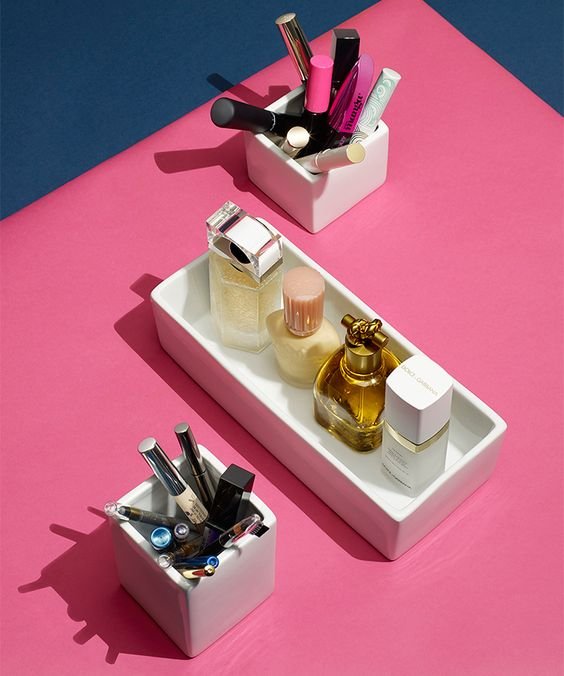
The viral No Buy 2026 trend is a self-imposed spending challenge where participants eliminate discretionary purchases for the year. While rules vary from individual to individual, the core principle remains the same, which is buy only what is truly necessary. What is removed is discretionary consumption such as trend-led fashion, impulse beauty buys, aesthetic home décor, and algorithm-suggested “must-haves.”
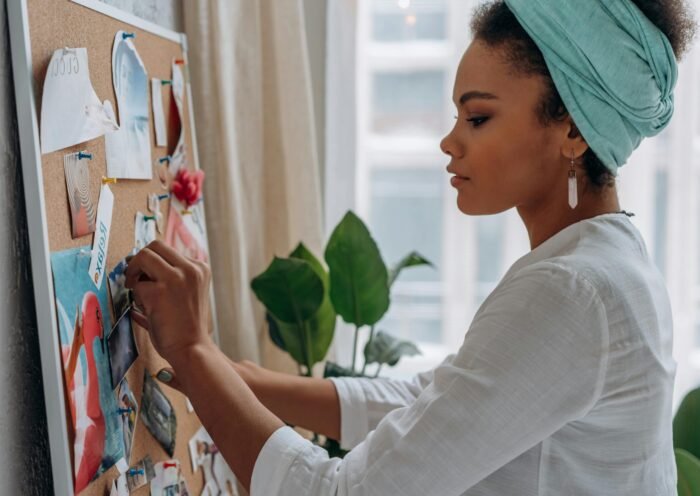
The challenge is self-directed, with rules tailored to individual lifestyles. This flexibility is precisely what distinguishes No Buy 2026 from earlier, more rigid frugality movements as it is not about deprivation. It is about agency.
Why No Buy 2026 Feels Inevitable Right Now
Overconsumption Has Lost Its Cultural Cachet
Years of non-stop influencer hauls and fast-fashion churn have created collective fatigue. What once signaled relevance now reads as excess. No Buy 2026 responds to this shift by reframing restraint as the sophistication of choice.
Economic Awareness Without Moral Panic
Rising living costs and financial uncertainty have made spending feel more consequential. No Buy 2026 does not dramatize scarcity; it normalizes discernment.
The Rise of De-Influencing
Consumers are increasingly skeptical of monetized recommendations by influencers and the brands. Choosing not to buy has become a form of quiet resistance to persuasion-driven media.
Taste Is Becoming Quieter
Minimalist aesthetics, capsule wardrobes, and quality-over-quantity living have redefined what “good taste” looks like.
No Buy as a Cultural Signal, Not a Rulebook
What makes No Buy 2026 culturally compelling is that it functions less as a challenge and more as a social signal. Much like understated dressing or private consumption, it communicates confidence. The message is subtle but clear: nothing is missing.
The Outcomes from the trend:
- Greater clarity around personal style
- Reduced anxiety and decision fatigue
- More consistent routines in beauty and self-care
- A renewed relationship with what they already own
Is No Buy 2026 Sustainable?
Critics argue that strict no-buy challenges can lead to rebound spending. In practice, the most successful participants approach No Buy 2026 as a learning period, not a moral test.
Many transition into:
- Low-buy frameworks
- Category-based restrictions
- Long-term mindful spending habits
The Bigger Picture
No Buy 2026 is less about money and more about the meaning behind spending. It reflects a generation questioning whether constant acquisition truly delivers fulfillment or merely distraction.
In a culture saturated with choice, the decision not to participate can feel quietly luxurious. Not because it is restrictive, but because it is intentional.
Follow us on Reddit