In an era shaped by endless product drops and algorithm fed desire, a quieter aesthetic is gaining momentum. Known as the underconsumption core, the trend viral on TikTok reframes restraint as refinement. Instead of viral hauls and seasonal overhauls, creators are spotlighting well-worn staples, repaired denim, and beauty products used to the very last drop.
What Is Underconsumption Core?
Underconsumption core is a digital-first lifestyle trend that celebrates using what you already own instead of constantly buying more.
The aesthetic gained traction on TikTok and Instagram, where creators began posting “anti-hauls,” showing well-worn products, repurposed outfits, and decade-old furniture with captions like “You don’t need it.”
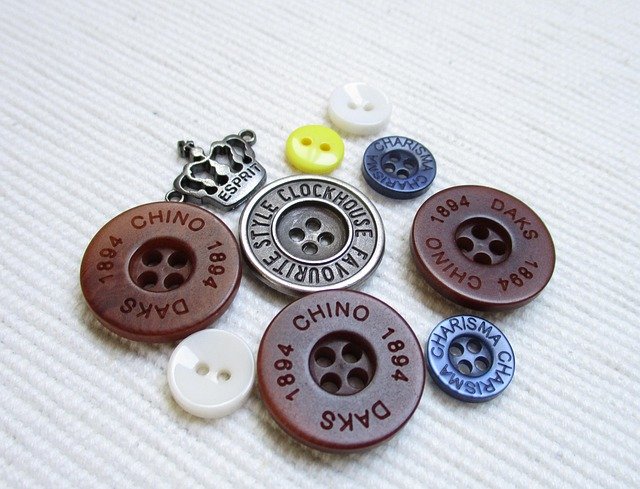
Unlike minimalism, which often carries a polished, aspirational tone, the underconsumption core is deliberately uncurated. It embraces visible wear, repaired seams, and half-used beauty products.

Why The Underconsumption Core Is Trending in 2026
Economic Realities
Rising living costs across global cities have reshaped consumer priorities. Gen Z audiences are more cautious with their spending, turning away from impulse-driven “haul culture.”
Digital Fatigue
After years of hyper-curated influencer culture, audiences are gravitating toward authenticity. Underconsumption core operates as a quiet rebellion against the algorithm driven trends.
Sustainability Awareness
The environmental impact of fast fashion and short product cycles has become widely discussed. Brands like H&M and Shein have faced global criticism for high volume and fast fashion production models.
What Underconsumption Core Looks Like
Common visual markers include:
- Shoes are worn for years instead of being replaced seasonally.
- Capsule wardrobes are built around repeat styling.
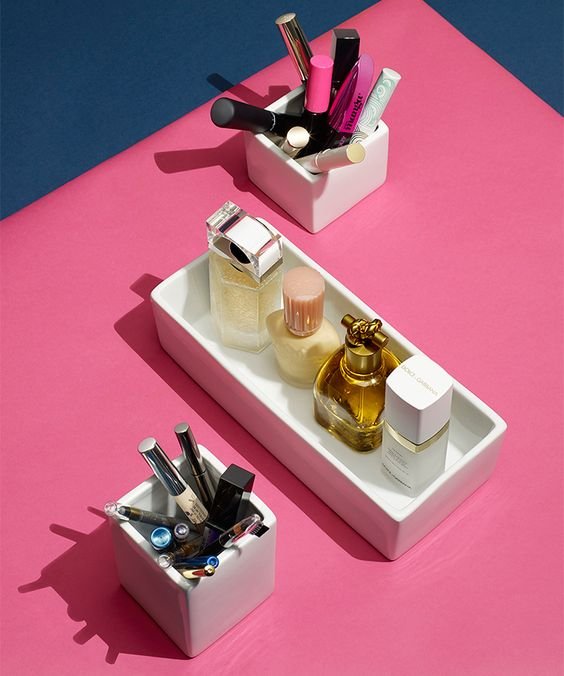
- Refilled beauty products instead of new launches.

Underconsumption Core vs. Minimalism
| Underconsumption Core | Minimalism |
|---|---|
| Keeps older items, visibly worn | Often replaces with sleek, curated pieces |
| Anti-trend and anti-haul | Aesthetic driven simplicity |
| Rooted in financial and ecological awareness | Often lifestyle branding |
| Messy with authentic presentation | Polished visual tone |
Is Underconsumption Core Anti-Capitalist?
While the aesthetic critiques overproduction and excessive consumerism, it does not reject commerce entirely. Instead, the underconsumption core encourages fewer, more intentional purchases, prioritizes higher quality investments over impulse buys, extends product life cycles through mindful use, and embraces a repair over replace culture.
Underconsumption Core Vs Overconsumption Core
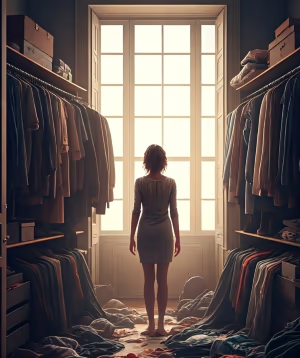
The underconsumption core and the overconsumption core represent two contrasting digital aesthetics shaping consumer culture today. While underconsumption core focuses on buying less, using items longer, and valuing quality over quantity, overconsumption core highlights abundance, trend turnover, and highly visible hauls often amplified on TikTok.
Can Brands Participate?
Brands can participate in the underconsumption core shift by rethinking how value is delivered. Instead of relying on rapid drops and constant newness, some are introducing repair services, offering lifetime guarantees, investing in transparent supply chains, and moving toward limited, non-drop-based launches.
Unlike micro-aesthetics trends that peak and vanish within months, the underconsumption core aligns with macro forces like economic caution, sustainability awareness, and digital burnout.
Follow us on Reddit