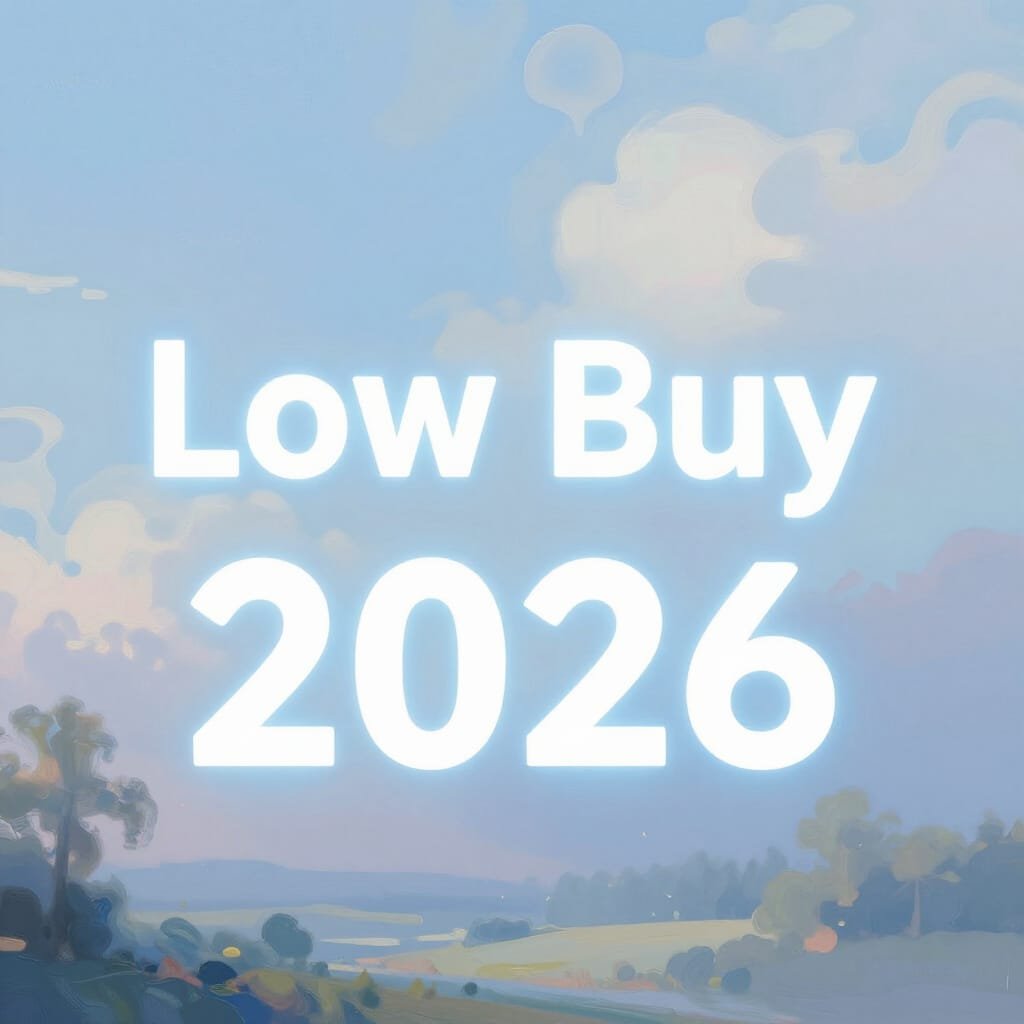
Low Buy 2026 isn’t just a viral detox or a guilt-driven trend. It’s a deliberate recalibration of taste, money, and meaning. Where “No Buy” demanded absolutism, Low Buy allows nuance in shopping with intention rather than impulse.
Consumers are no longer asking “Can I afford this?” but “Does this deserve a place in my life?”
What Is Low Buy 2026?
Viral Low Buy 2026 is a conscious spending framework that encourages selective purchasing without total abstinence. Participants set personal rules, such as buying fewer items, prioritizing quality, and reducing emotional or trend-driven consumption.
Low Buy vs No Buy: A Critical Distinction
| No Buy | Low Buy |
|---|---|
| Absolute restriction | Controlled flexibility |
| Often time-bound | Lifestyle-oriented |
| Can trigger rebound spending | Encourages sustainability |
| Rule-heavy | Value-driven |
Why Low Buy Is Resonating in 2026
Trend Fatigue Is Real
Algorithm-driven microtrends now rise and fall in every few weeks, multiple times a year. People are exhausted by the pressure to constantly keep up and live with regret of purchasing something they don’t really need or actually want.
Quiet Luxury, Reinterpreted in 2026
What once looked like stealth wealth has evolved into quiet discernment. The new status symbol isn’t what you buy, it’s what you don’t because of a silly trend.
Financial Literacy Is Cultural Currency
In 2026, talking about budgets, cost-per-wear, and opportunity cost is no longer taboo, but it’s chic and intelligent. It shows growth.
The Beauty & Fashion Low Buy Playbook
Fashion: Personal Style Over Trend Cycles
Capsule wardrobes are evolving into signature wardrobes that are not minimal but unmistakably personal.
Key Low Buy fashion principles:
- Cost-per-wear over sticker price
- Tailoring instead of replacing
- Renting or borrowing for occasion wear
Beauty: Fewer Products, Better Rituals
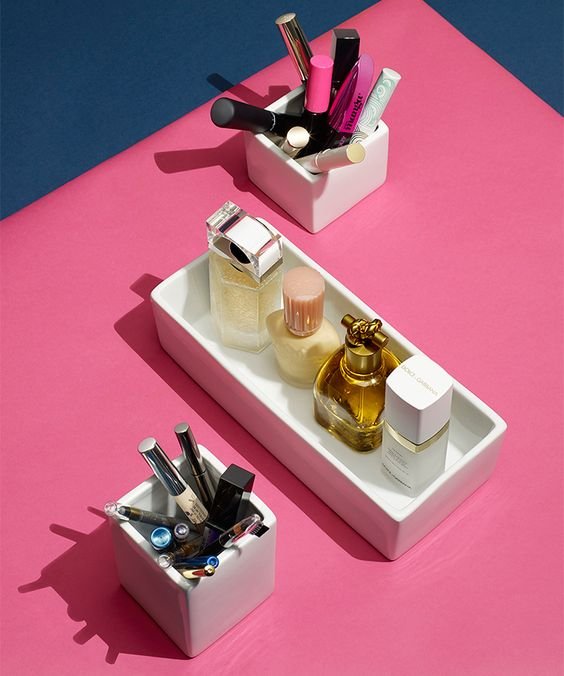
Low Buy doesn’t mean abandoning beauty; it means finishing what you own and investing only in formulas that are repeatedly used by you.
Low Buy beauty rules often include:
- One product per category, replacement-only
- No “backup” hoarding
- Seasonal audits instead of launch-based shopping
Is Low Buy 2026 Anti-Consumption?
Low Buy doesn’t demonize buying, but it interrogates why we buy what we buy. It pushes back against emotional spending driven by boredom, comparison, or algorithmic persuasion.
The Cultural Impact of Low Buy
It’s a rejection of hustle culture’s material markers and an embrace of internal metrics such as clarity, calm, and control implemented by an individual.
Low Buy 2026 reflects a deeper societal shift:
- From ownership to curation
- From novelty to longevity
- From aspirational excess to intentional elegance
How to Start a Low Buy Year
Define Your Categories
Decide in which categories you’ll spend freely, cautiously, or not at all.
Set a “Why,” Not Just Rules
Low Buy sticks when it’s tied to values like your financial goals, sustainability, or mental clarity.
Track, Don’t Punish Spending
Awareness beats restriction. Tracking spending builds confidence, not guilt.
Allow Space for Planned Joy
Deprivation backfires. Planned purchases keep Low Buy human.
Follow us on Reddit and Pinterest