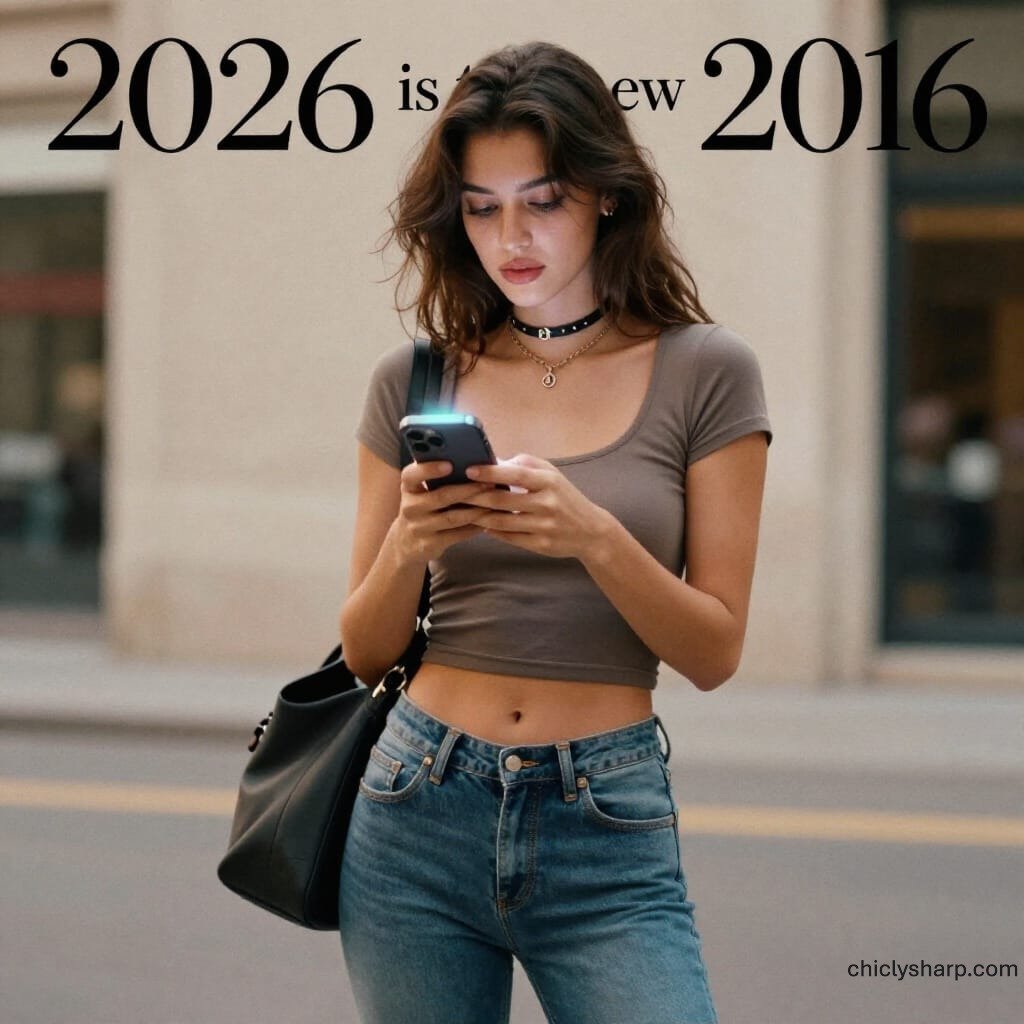
If you’ve been scrolling TikTok or Instagram in 2026 and feel like you’ve time-traveled back a decade, you’re not imagining it. From throwback playlists and Tumblr-coded edits to skinny jeans re-entering the chat, one phrase keeps resurfacing across feeds #2026isthenew2016
This isn’t just a viral caption. It’s a cultural signal and one that deserves closer examination.
What Does “2026 Is the New 2016” Actually Mean?
In its essence, the “2026 is the new 2016” trend refers to Gen Z and millennials revisiting the aesthetics, music, and internet culture of 2016 as a form of emotional and cultural reset. The phrase doesn’t claim the years are identical, but it suggests that the emotional needs of 2026 mirror those of 2016.
Why 2016, Specifically?
From a cultural standpoint, 2016 represents a before moment. Before the global crises became constant across the world. Before burnout entered the everyday vocabulary of people. Before the time, algorithms dictated creativity and what you should watch.
Psychologically, nostalgia tends to peak during periods of uncertainty. Research in behavioral psychology consistently shows that people turn to familiar memories during times of stress as a way to regulate emotions and ground themselves. 2016 wasn’t simpler, but it felt simpler in comparison to now.
TikTok’s Role in Reviving the Era
TikTok doesn’t just reflect culture, but it actively reshapes it. The platform’s algorithm prioritizes emotional resonance over polish, which is why imperfect, low-effort content often outperforms high production videos. That dynamic closely mirrors how content functioned in the mid 2010s.
Snapchat filters, chaotic humor, unedited selfies, and impulsive posting defined internet life in 2016. In 2026, TikTok is bringing that energy back, but not accidentally, but because users are responding to it and they can profit out of this nostalgia.
The revival of 2016 aesthetics is less about copying the past and more about reclaiming a way of existing online without constant self surveillance and trying to fit in.
Fashion Cycles Don’t Lie
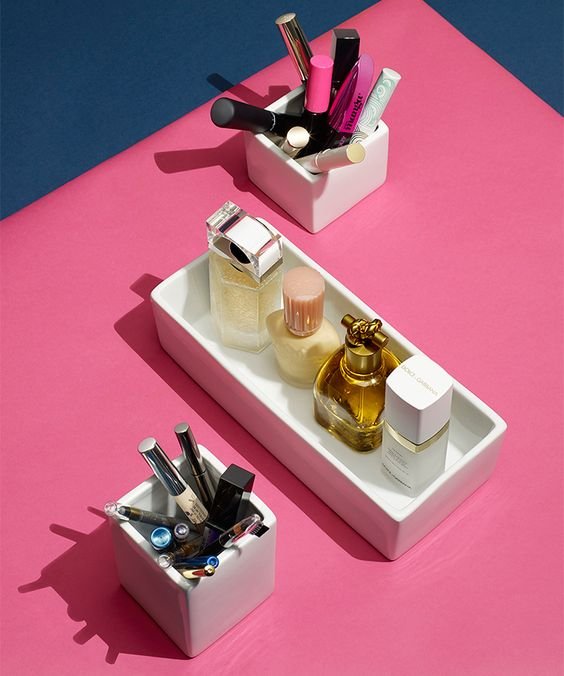
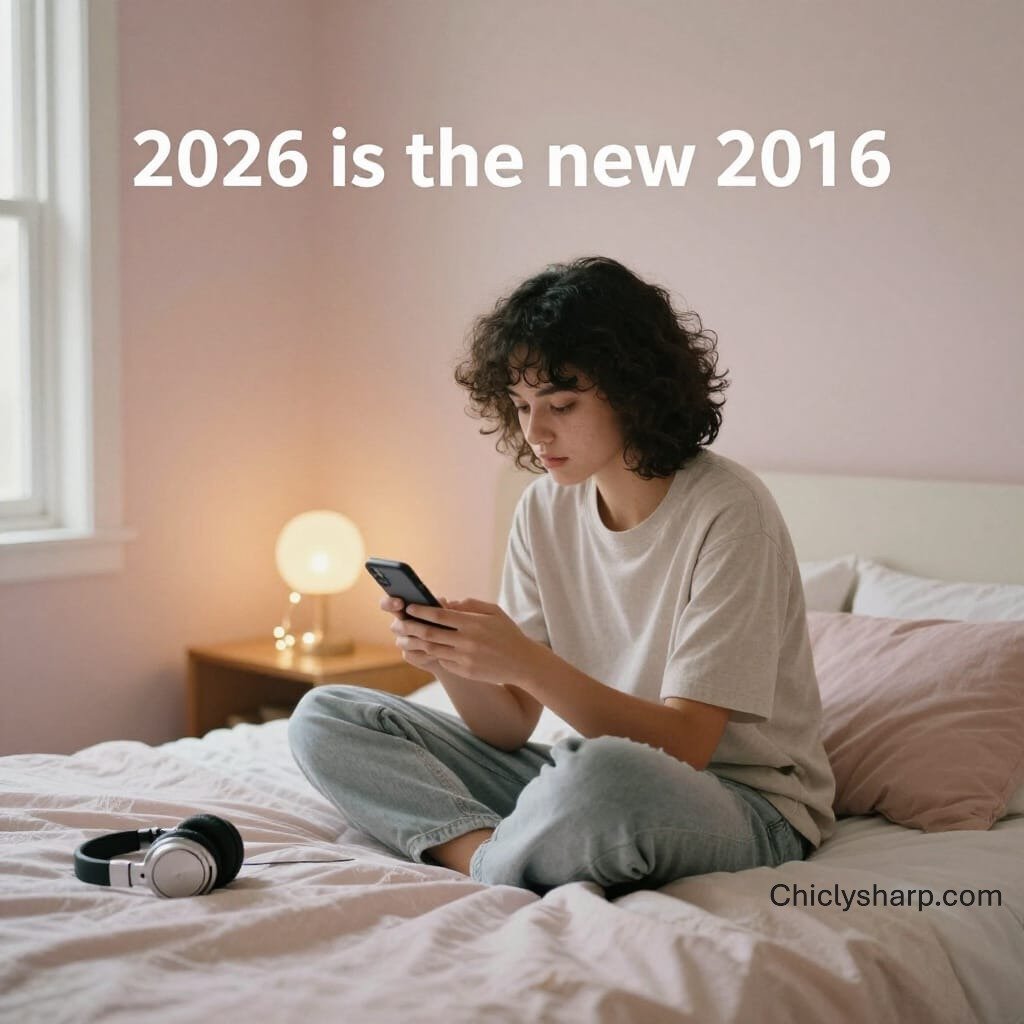
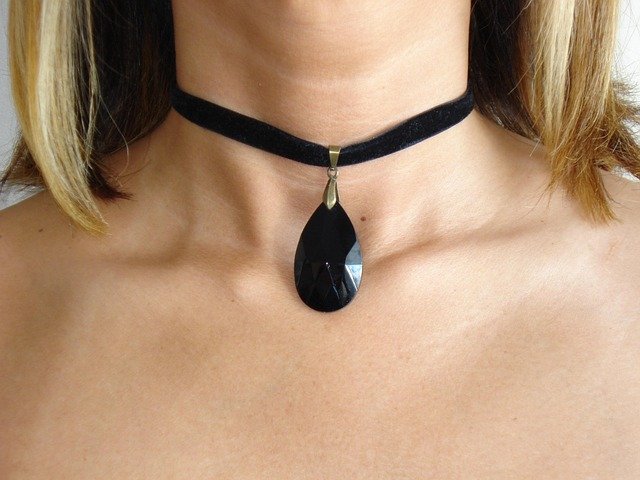
From fashion industry perspective, fashion operates in cycles of roughly 8 to 12 years. That makes the return of 2016 staples, chokers, skinny jeans, and festival-core outfits.
What’s different this time is the attitude. In 2026, these pieces are worn knowingly and Gen Z isn’t embarrassed by 2016 fashion; they’re recontextualizing it.
Music as a Memory Trigger
Songs popular between 2014 and 2017 are resurfacing not because they’re extraordinary, but because they’re comforting. Early Drake, Rihanna, EDM festival anthems, and One Direction tracks are tied to formative experiences in adolescence, early independence, and first friendships.
Why This Trend Matters
Calling 2026 “the new 2016” isn’t about escapism. It’s about redefining what progress looks like. In an era obsessed with optimization and innovation, Gen Z is quietly asking for something else like presence, fun, and emotional honesty.
The Bottom Line
The “2026 is the new 2016” trend is not a joke, but it’s a cultural response to digital exhaustion. It reflects a generation using nostalgia not to move backward, but to anchor itself emotionally while moving forward. In that sense, 2016 isn’t just back. It’s being reinterpreted but on Gen Z’s terms.
Follow us on Pinterest